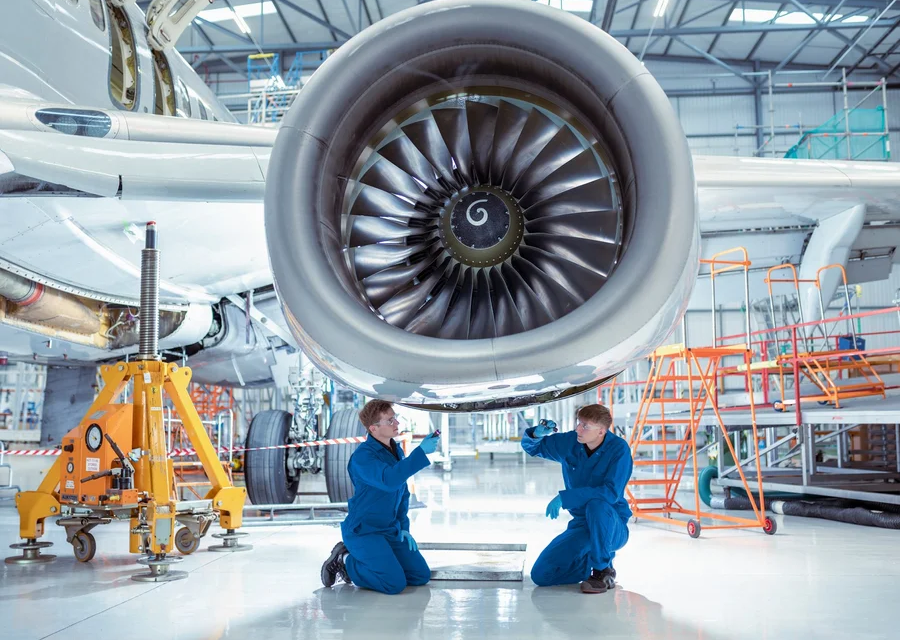
PhysicsX artificial intelligence creates lighter, stronger jet engine parts, beating human engineers and reducing component weight by 18.5%.
Deep technology firm PhysicsX has demonstrated that its generative artificial intelligence software can outperform experienced human engineers in designing complex jet engine parts.
Using advanced physics based artificial intelligence algorithms, the platform created an intricate three dimensional engine component that reduced overall part weight by 18.5 percent while maintaining full structural strength and heat tolerance.
Traditional computer aided design software relies on rigid geometry rules that force human designers to spend months manually sketching, testing, and tweaking mechanical shapes.
By allowing smart software to generate and test billions of organic structural shapes in seconds, aerospace engineers can now build significantly lighter, stronger aircraft parts that burn far less jet fuel.
London-based technology company PhysicsX officially published the groundbreaking aerospace engineering milestone on Wednesday, September 2, 2026.
Backed by computing giant NVIDIA and built on high performance cloud networks, the company’s AI native engineering workbench is being deployed across top aerospace manufacturing plants, semiconductor foundries, and industrial technology centers across Europe and North America.
The new system bypasses conventional drawing board rules, giving aerospace manufacturers a direct way to invent next-generation aircraft parts without years of trial and error testing.
The main reason this artificial intelligence achievement is so important is that airplane components must endure extreme pressure, freezing altitudes, and blazing heat inside jet turbines.
For decades, human designers were limited by standard drafting tools that could only create simple, geometric shapes.
Because every extra pound of weight on an airplane requires extra fuel to lift into the air, reducing engine weight directly lowers carbon emissions and cuts airline operating costs.
By training smart computer models directly on the real laws of physics, the software invents smooth, complex shapes that look like natural organic bones, delivering maximum strength with far less physical metal.
Explaining how applying artificial intelligence directly to physical engineering allows software to surpass traditional human drafting limits, PhysicsX research teams noted in published findings that generative 3D artificial intelligence enables engineers to bypass standard computer aided design rules and rapidly discover ultra efficient structural shapes.
Detailing why bringing physics-grounded computer models into manufacturing speeds up industrial innovation across global aviation, company leaders stated that physics artificial intelligence enables teams to compress design spaces that used to take years into simple automated workflows.
See Also: Meta Bricks Smart Glasses Cameras to Prevent Secret Recording
Highlighting how artificial intelligence acts as a powerful co pilot that expands human creativity rather than replacing expert workers, engineering directors emphasized that smart computer tools allow industrial teams to build complex physical systems beyond traditional human imagination.
By using artificial intelligence to design lighter jet engine components, PhysicsX is transforming the future of modern aviation.
Teaching smart software to understand physical laws ensures that commercial airplanes become lighter, use less fuel, and create a cleaner, faster transport network for travelers around the world.

About the Author
Jennifer Sakmufuwo Baba is a tech analyst, senior staff, and writer covering artificial intelligence, cybersecurity , and emerging technologies at TechRegard. Based in Nigeria, she's passionate about translating complex tech developments into compelling, accessible stories for diverse audiences. Her work focuses on how technology shapes innovation across Africa and globally.