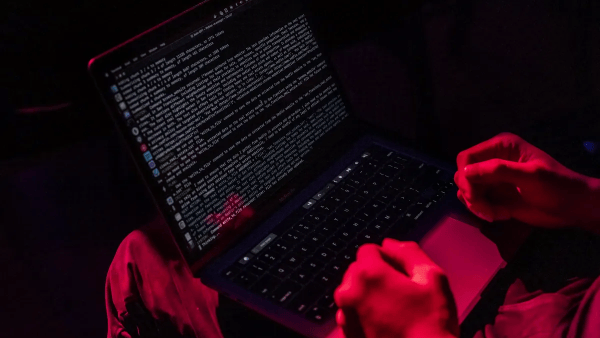
North Korea rejects US-led cyber threat warnings, calling allegations about its IT workers a political smear campaign to justify sanctions.
North Korea has forcefully rejected recent cybersecurity warnings issued by the United States and its international partners, labeling allegations regarding its online activities as a deliberate political campaign to tarnish its global image. Official state media reported on Tuesday, August 4, 2026, that Pyongyang’s foreign ministry dismissed Western claims of state-sponsored hacking, arguing that Western governments are simply using digital security issues to justify diplomatic pressure and economic sanctions.
The diplomatic pushback from Pyongyang followed a high-profile security alert issued jointly by the United States, South Korea, Japan, and eight partner nations. That Western advisory warned global technology companies and private institutions to exercise extreme caution when hiring remote software developers. Western intelligence agencies claimed that skilled North Korean technology workers are actively using fake identities, altered documents, and artificial intelligence tools to secure remote freelance jobs across international technology firms, secretly sending their salaries home to fund government programs.
In response to these allegations, a spokesperson for North Korea’s Foreign Ministry issued a formal statement through the Korean Central News Agency, criticizing the Multilateral Sanctions Monitoring Team and accusing Washington of double standards. The government representative pointed out that the United States already maintains the world’s largest digital intelligence force and exercises dominant control over global network infrastructure, making American warnings about threats from smaller nations hypocritical. North Korea insisted that its software specialists work legitimately within global industry standards and stated that it will not tolerate what it views as politically motivated attempts to weaponize digital security issues.
This growing conflict over international tech employment carries major economic implications for global software platforms, outsourcing agencies, and corporate hiring teams. Western security agencies claim that remote technology workers operating under false identities do not just send salary funds back home; they also pose severe insider risks to private companies. Security reports suggest that compromised remote accounts have been linked to corporate data theft, proprietary source code leaks, and targeted cryptocurrency operations designed to bypass traditional financial sanctions.
See Also: Cybersecurity Firm Obsidian Hits $1.1 Billion Valuation on Surging AI Risk
As international tensions mount over digital workforce security, technology companies worldwide face increased scrutiny regarding their remote hiring processes. Global organizations are now implementing stricter background verification checks, biometric identity checks, and continuous network monitoring to ensure that remote software contractors are authentic. Despite North Korea’s firm denials, major Western governments are continuing to push for tighter international sanctions and unified digital monitoring to block unauthorized remote workforce access across global tech supply chains.

About the Author
Jennifer Sakmufuwo Baba is a tech analyst, senior staff, and writer covering artificial intelligence, cybersecurity , and emerging technologies at TechRegard. Based in Nigeria, she's passionate about translating complex tech developments into compelling, accessible stories for diverse audiences. Her work focuses on how technology shapes innovation across Africa and globally.