

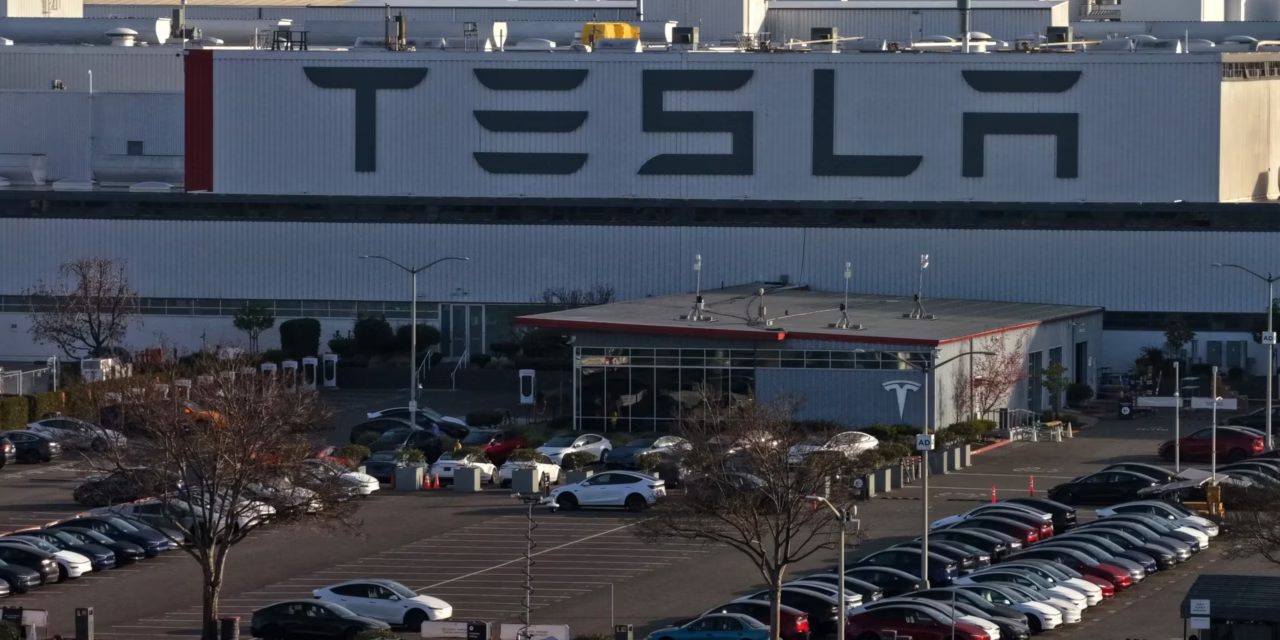
Tesla has gone on trial in California over allegations that Black employees at its Fremont factory were subjected to racial harassment, discrimination and unequal treatment for years.
The lawsuit, filed by the California Civil Rights Department in 2022, alleges that Tesla failed to prevent or adequately address racist conduct at its flagship manufacturing plant.
Opening statements in the bench trial began on Monday, with lawyers for the state telling the court that Black workers were routinely subjected to racial slurs, racist graffiti, bullying and unequal treatment in pay, promotions and dismissals.
Representing the state, lawyer Brett Watson presented photographs allegedly showing racial slurs and symbols, including the N-word, references to the Ku Klux Klan, swastikas and Confederate imagery, written or drawn on walls, lockers, bathrooms, workplace benches and lunch tables at the factory.
Watson said the complaints received by Tesla and state authorities demonstrated that the alleged incidents were not isolated.
He told the court that some Black employees described the factory as a “plantation” and “slaveship”, while one worker reportedly said racial slurs were directed at him as many as 50 to 100 times a day.
The state alleges that Black workers at the factory were paid less, promoted less frequently and terminated more often than white employees.
It is seeking financial damages and court orders that could require Tesla to change its workplace policies and practices.
The trial is being heard by Judge Peter Borkon without a jury and is expected to continue until the end of October.
Tesla has denied wrongdoing and described the lawsuit as misguided.
The company said it has disciplined or terminated employees who engage in misconduct, including racial harassment and the use of racial slurs.
Tesla also argued that its Fremont factory has a majority-minority workforce and provides highly paid jobs to thousands of Californians.
The company’s lead lawyer, Tyree Jones, rejected the state’s characterization of the alleged conduct and argued that some uses of racial language cited in the case were not intended as slurs.
The state called three former Black Tesla employees as witnesses after the opening statements.
One former employee, who worked at Tesla between 2021 and 2024, testified that he was repeatedly bullied because of his race and alleged that another worker called him the N-word.
He said Tesla subsequently disciplined him rather than the employee who allegedly used the slur.
See also: Prosecutors Seek 15-Year Jail Term for Kakao Founder Over K-Pop Deal
Another witness, Nadia Clark, a former senior security manager who worked at the Fremont facility, testified that she witnessed Black employees being treated differently from workers of other races.
Clark said she reported an incident in which a white employee repeatedly used a racial slur against her but received no response from human resources.
She told the court that the experience contributed to her decision to leave the company.
The California case is among several lawsuits alleging racial discrimination at Tesla facilities.
In a separate case, a federal jury in 2022 awarded former Tesla worker Owen Diaz $137 million after finding in his favour in a racial harassment lawsuit, although the award was later reduced by a judge.
Tesla has also faced lawsuits alleging sexual harassment and discrimination involving female employees.
The company has maintained that it has introduced policies aimed at preventing racial and sexual misconduct and punishing employees who violate them.
The outcome of the California trial could result in financial penalties and orders requiring Tesla to alter its employment practices if the court finds that the company violated state law.

About the Author
Cecilia Attah is a tech analyst with a degree from Benue State University. She covers tech news and startups at TechRegard with a focus on how technology is transforming Africa and shaping the global landscape.


